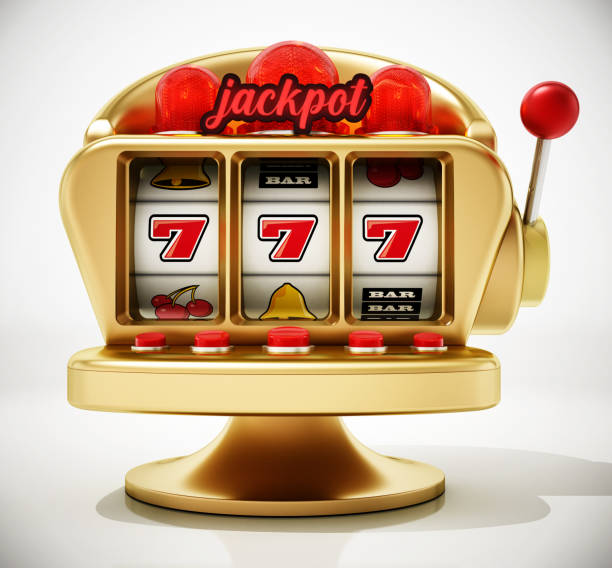
The Psychology Behind Slot Machines
Slot machines are designed to be immensely engaging, leveraging principles of psychology to keep players hooked. One of the key psychological factors at play is the element of unpredictability. Players are drawn to the excitement of not knowing when a win may occur, generating a thrill that is hard to resist. This uncertainty fuels anticipation and reinforces a cycle of play, as the brain becomes conditioned to crave that dopamine hit from potential rewards, especially when engaging with an online casino that offers diverse gaming options.
Another aspect is the use of vivid visuals and sounds that stimulate the senses. The flashing lights, vibrant colors, and celebratory sounds create an immersive environment that captures attention and fosters a desire to continue playing. This sensory feedback enhances the experience, making each spin feel significant and worthwhile. The more engaging the experience, the more likely individuals are to remain at the machine, often losing track of time and money.
Moreover, the concept of intermittent reinforcement plays a crucial role in addiction. Players receive payouts on an unpredictable schedule, which can lead to a stronger psychological response compared to consistent rewards. Just as in gambling, the occasional wins can create an addictive cycle where players believe they might be ‘due’ for a big win, compelling them to invest more time and money into the game, despite losses.
The Role of Game Design
Game design significantly influences player engagement in slot machines. Developers meticulously craft these games to maximize enjoyment and retention. Features like bonus rounds, free spins, and progressive jackpots introduce layers of excitement and complexity that attract players. These elements not only enhance the gameplay experience but also provide players with a sense of achievement, important for maintaining interest over time.
Furthermore, many machines incorporate themes based on popular culture, mythology, or even adventure. These themes create familiarity and intrigue, drawing in players who may have an affinity for certain characters or stories. By creating a narrative around the gameplay, designers can deepen a player’s emotional connection to the game, making them more likely to return and continue playing.

The mechanics of how wins are presented also matter immensely. Many slot machines are programmed to display small wins more frequently, which gives players the impression of continuous success. This design choice fosters a false sense of security, where players believe that they are winning more often, which encourages them to keep playing and chasing that next big payout.
The Social Aspect of Playing Slots
While many may view slot machines as solitary activities, there is often a social component that enhances their addictive nature. Casinos frequently promote a lively atmosphere filled with other players, which can create a sense of camaraderie or competition. When individuals see others winning or celebrating, it can spark a natural desire to join in, playing alongside friends or strangers in the hopes of achieving similar success.
Additionally, many modern casinos have adopted elements from social gaming, enabling players to share their experiences through leaderboards and social media ties. This interconnectedness encourages players to return not just for the thrill of the game but also to share their progress and achievements with others. The resulting network effect can further perpetuate the cycle of addiction, as players seek validation and acknowledgment from their peers.
The communal experience of playing can also lead to a phenomenon known as “social proof,” where people are influenced by others’ behaviors. If someone observes a group engaged in a thrilling game, they may feel compelled to join in, believing that the group is experiencing something worthwhile. This inclination to be part of a shared experience can significantly amplify the allure of slot machines, making it even harder to resist their pull.
The financial aspect of playing slot machines can be both enticing and perilous. Many players are lured by the potential for significant wins, with jackpots often presented as life-changing sums. This allure can create a sense of urgency to keep playing, as players believe that one more spin could lead to that coveted payout. The idea of quick wealth can be extraordinarily appealing, even if the reality is that the odds are rarely in the player’s favor.

Moreover, the pricing structures of slot machines can contribute to their addictive nature. Many machines allow for low minimum bets, which can trick players into thinking they can play longer for less. This can lead to prolonged sessions where players accumulate losses without feeling the immediate pain of spending a significant amount. The gradual erosion of a player’s bankroll often goes unnoticed, allowing the cycle of addiction to thrive.
Additionally, some individuals may utilize gambling as a means of escape, which can further exacerbate financial issues. The thrill of the game serves as a distraction from stressors or personal problems, making it all the more appealing. However, this escapism can lead to dire consequences as the losses mount, creating a vicious cycle where players chase losses with the hope of recouping their investments, often resulting in deeper financial trouble.
Understanding Responsible Gaming
As the addictive nature of slot machines becomes increasingly apparent, the conversation around responsible gaming has gained momentum. Many organizations advocate for awareness and education surrounding gambling behaviors to help mitigate the risks associated with excessive play. Understanding personal limits and recognizing signs of addiction are crucial steps for players to maintain a balanced approach to gaming.
Responsible gaming also emphasizes the importance of setting financial limits before engaging with slot machines. Players are encouraged to determine how much they can afford to lose and to stick to this budget, treating it as a form of entertainment rather than an investment. By being proactive about their spending, individuals can enjoy the thrill of the game without falling into the trap of addiction.
Furthermore, many casinos and online platforms now offer tools and resources for players, including self-exclusion programs and access to counseling services. These initiatives aim to provide support for individuals who may struggle with gambling addiction, fostering a culture of accountability and care within the gaming community. Ultimately, making informed choices and understanding the risks can lead to a healthier relationship with gambling.